Blog
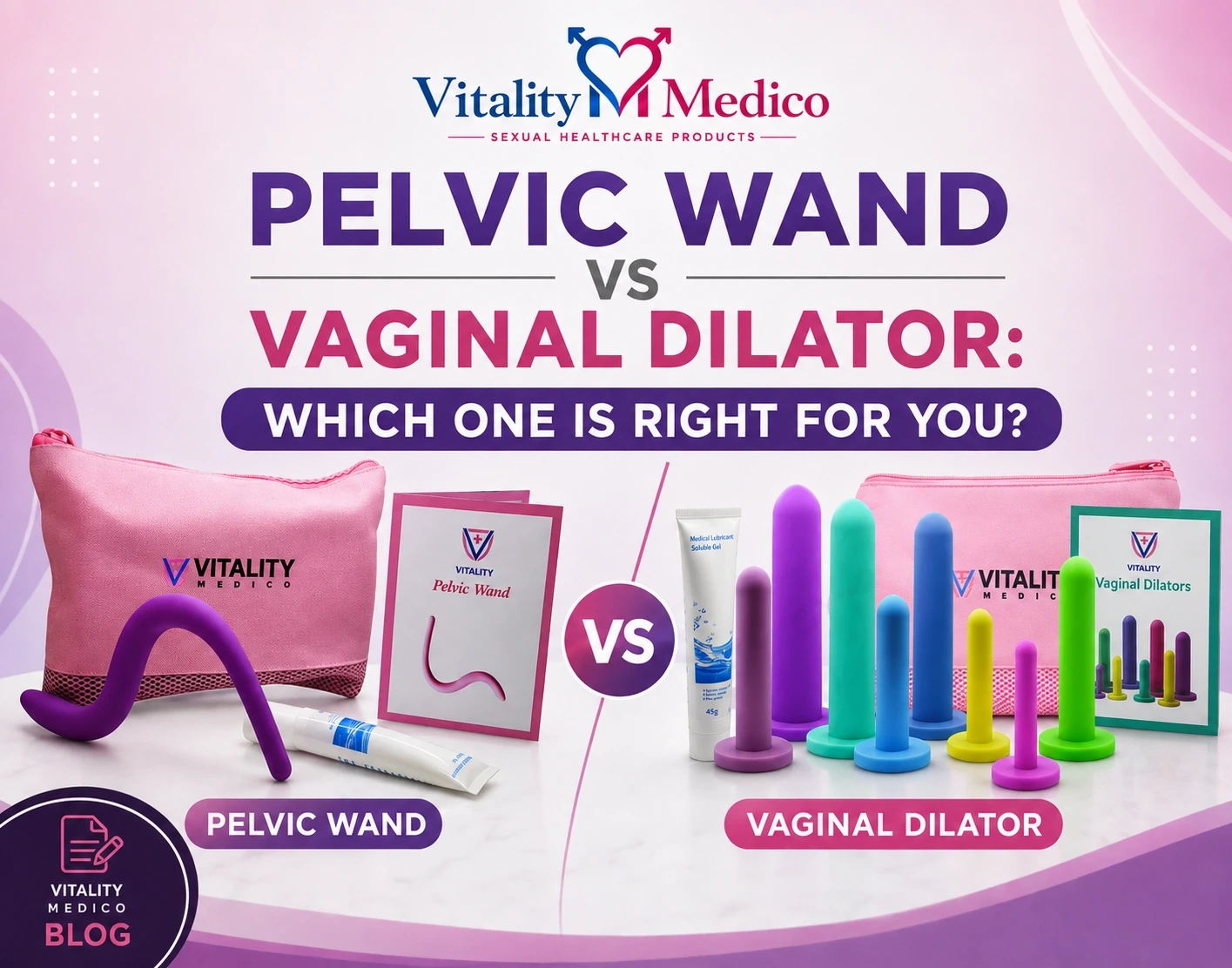
Pelvic Wand vs Vaginal Dilator Which One Is Right for You?
Dr Emily Carter · 8 August 2026 · 6 min read · 593 views
Pelvic wands and vaginal dilators are both commonly used in pelvic health therapy, but they do different jobs.
A pelvic wand is designed for targeted pressure and massage of specific areas of pelvic floor muscle tension. A vaginal dilator provides a gradual, more even stretch and is commonly used when vaginal tightness, painful insertion or narrowing is the main concern.
Understanding this difference can help you choose the right tool and use it as part of a more appropriate pelvic health routine.
What Is a Pelvic Wand Used For?
A pelvic wand is a curved therapy tool designed to make it easier to reach areas of the pelvic floor that may be difficult to access with your fingers.
Instead of stretching the entire vaginal canal, the curved shape allows controlled pressure to be applied to a particular area of muscle tension.
Pelvic wands may be used as part of pelvic floor therapy for:
-
Tight or overactive pelvic floor muscles
-
Pelvic floor trigger points
-
Deep pelvic muscle tension
-
Discomfort related to pelvic floor tightness
-
Pain associated with deeper penetration
-
Muscle tension linked to some types of chronic pelvic pain
The important thing to remember is that a pelvic wand is primarily a relaxation and targeted massage tool, not a pelvic floor strengthening device.
If you are new to using one, read our Pelvic Floor Wand Safety Guide before getting started.
For further independent information, the European Association of Urology provides patient information about vaginal and vulvar pain as part of its chronic pelvic pain resources.
What Is a Vaginal Dilator?
Vaginal dilators are smooth devices available in gradually increasing sizes. They may be made from soft silicone or a firmer material such as medical grade plastic.
Unlike a pelvic wand, which targets a particular area, a dilator provides a more even stretch around the vaginal opening and canal.
The usual approach is to begin with a size that can be inserted comfortably and gradually progress when appropriate.
Vaginal dilators may form part of treatment or rehabilitation for:
-
Vaginismus
-
Difficulty with vaginal insertion
-
Pain or discomfort during penetration
-
Pelvic floor muscle tightness
-
Vaginal narrowing
-
Recovery following certain pelvic or vaginal procedures
-
Vaginal changes following some cancer treatments
Vitality Medico Europe offers women's pelvic health products including graduated vaginal dilators designed to allow controlled progression through different sizes.
European clinical guidance also recognises vaginal dilation in certain situations following pelvic cancer treatment. The European Society of Gynaecological Oncology provides professional guidance and educational resources covering gynaecological cancer care and rehabilitation.
Pelvic Wand vs Vaginal Dilator: What's the Difference?
The simplest way to understand the difference is:
Pelvic wand = targeted pressure and massage
Vaginal dilator = gradual, more even stretching
Here is a quick comparison:
| Pelvic Health Goal | Pelvic Wand | Vaginal Dilator |
|---|---|---|
| Targeting a specific tight area | ✓ | |
| Pelvic floor trigger point massage | ✓ | |
| Deep pelvic muscle tension | ✓ | |
| Gradual vaginal stretching | ✓ | |
| Vaginismus therapy | Sometimes | ✓ |
| Difficulty with insertion | Sometimes | ✓ |
| Vaginal narrowing | ✓ | |
| Deeper muscle related discomfort | ✓ | Sometimes |
This is a general guide rather than a diagnosis. Pelvic pain and discomfort can have several causes, and similar symptoms do not always require the same treatment.
Can You Use a Pelvic Wand and Dilators Together?
Yes. For some people, they can complement each other rather than being an either or choice.
For example, someone may experience tightness or discomfort around the vaginal entrance as well as deeper pelvic floor muscle tension.
A healthcare professional may recommend dilators for gradual stretching while using a pelvic wand separately for more targeted muscle work.
You may also be advised to begin with one tool and introduce the other later.
Which One Should You Choose?
Think about the main purpose of your therapy.
Consider a vaginal dilator when:
-
Insertion is difficult or uncomfortable
-
Gradual vaginal stretching has been recommended
-
You are working through graduated sizes
-
Maintaining vaginal width or flexibility has been recommended following treatment
Consider a pelvic wand when:
-
You need targeted pelvic floor muscle massage
-
Specific tight or tender areas have been identified
-
You are working on deeper pelvic floor muscle tension
-
A pelvic health professional has recommended trigger point or muscle release work
If you are unsure why you are experiencing pelvic pain, tightness or difficulty with insertion, speak with a pelvic health physiotherapist, gynaecologist or other qualified healthcare professional before starting internal therapy.
Are Pelvic Wands and Vaginal Dilators the Same?
No.
Although they can look similar, their shape and intended use are different.
A pelvic wand allows you to target a particular muscle or area.
A vaginal dilator uses its size and shape to provide a gradual and more even stretch.
Neither should automatically be considered a pelvic floor strengthening device.
Are Vaginal Dilators Used for Vaginismus?
Vaginal dilators are commonly used as part of treatment programmes for vaginismus and penetration difficulties.
Graduated sizes allow someone to begin at a comfortable level and progress gradually rather than immediately attempting a larger size.
Treatment for vaginismus can involve more than dilators alone. Depending on the individual, a healthcare professional may also recommend pelvic floor physiotherapy, relaxation techniques or other forms of support.
How Often Should You Use a Pelvic Wand or Dilator?
There isn't one schedule that suits everyone.
How often you use a pelvic wand or dilator depends on the reason for treatment, your comfort level and the guidance given by your healthcare professional.
More pressure or more frequent use does not necessarily mean better results. Pelvic health therapy should generally be gradual and comfortable.
Never force a wand or dilator against significant resistance or continue if you experience unusual or severe pain.
If you experience bleeding, worsening pain or other unexpected symptoms, stop using the device and seek medical advice.
Pelvic Wand or Vaginal Dilator: The Bottom Line
Choosing between the two becomes easier once you understand their different purposes.
Choose a pelvic wand for targeted pelvic floor muscle work.
Choose a vaginal dilator for gradual, controlled vaginal stretching.
Some people may benefit from using both as part of a professionally guided pelvic health programme.
At Vitality Medico Europe, we offer pelvic health products including pelvic floor wands and graduated vaginal dilators designed to support comfortable, controlled therapy at home.
Always follow the instructions supplied with your product. If you have persistent pelvic pain, unexplained symptoms or are unsure which device is appropriate, consult a qualified healthcare professional before use.
Suggestions & Comments
Share your thoughts about this article. Comments are reviewed before they appear publicly.
Loading comments…